PCOS
in Teenagers
Which teenage irregular periods are normal, which deserve a look, and how the right care now protects her adult health.
Medically reviewed by Dr. Chitrakshi Tewari, MD (Paediatrics)
PCOS is a common hormonal condition where the ovaries make more androgens than usual, showing up as irregular periods, stubborn acne, excess facial or body hair, and sometimes weight gain. In teenagers, diagnosis is deliberately careful: irregular cycles are normal in the first year or two after periods begin, and teenage ovaries often look 'polycystic' on scans without anything being wrong. Dr. Chitrakshi Tewari assesses teens without haste or alarm, online across India.
What PCOS is, and what it is not
PCOS (polycystic ovary syndrome) is a hormone-balance condition, not a disease of cysts: the 'cysts' in the name are simply resting egg follicles, and having many of them is common in every teenager. The real story is hormonal: slightly higher androgen levels and, often, insulin resistance, which together disturb ovulation and show up on the skin.
Two truths deserve equal weight. PCOS is genuinely worth identifying, because managing it early protects periods, skin, weight, mood and long-term metabolic health. And PCOS is genuinely overdiagnosed in teenagers, labelling girls on the basis of one scan and one irregular year. Careful assessment respects both.
Signs worth noticing
Understanding it stage by stage
What is normal, what deserves a look, and what it means ahead:
- Irregular, skipped and unpredictable cycles are the norm here as the hormone axis matures; most girls need reassurance, not tests
- A calendar or period-tracking app quietly builds the record that later answers every question
- What is never normal, even now: periods so heavy they disrupt life, or an absence of any first period by age 15
- Cycles still longer than 45 days, or fewer than 8 periods a year, two years after starting deserve assessment
- So does the combination of irregular cycles with stubborn acne, excess coarse hair or rapid central weight gain
- Assessment is blood work and a careful story, done without alarm; many girls assessed for PCOS turn out not to have it
- Managed PCOS is compatible with everything: normal life, normal career, and for the great majority, natural motherhood when she chooses it
- The teen years are the golden window: habits started now (movement, strength, balanced eating, sleep) do more than any later medicine
- Untreated, PCOS raises adult risks of diabetes and heart disease, which is precisely why gentle action now is a gift to her future self
Is it worth an assessment?
For parents of girls 2+ years past their first period: tick what applies.
Private to you: nothing you tick is stored or sent anywhere. This check is educational, not a diagnosis, and it does not replace a consultation.
How PCOS is diagnosed in teenagers
Differently from adults, and deliberately so. The diagnosis in teens rests on two pillars: a genuine ovulation problem (cycles still far apart or absent well beyond the first gynaecological years) and evidence of androgen excess (persistent significant acne, coarse hair growth, or raised androgens on blood tests). Blood work also checks thyroid, prolactin and, where indicated, insulin and sugar, because look-alikes exist.
What about the ultrasound? In teenagers it is not a diagnostic criterion: multifollicular ovaries are a normal feature of adolescence, which is why scan-based teenage PCOS labels are so often wrong. When the picture is suggestive but not definite, the honest answer is 'at risk, reassess', with a review in a year rather than a lifelong label at fifteen.
What helps, in order of power
- Movement she enjoys: any regular activity improves insulin sensitivity and cycles; strength training is particularly effective. The target is consistency, not punishment workouts.
- A balanced, low-added-sugar plate: regular meals, protein at breakfast, whole grains over refined, sugary drinks out. Framed always as strength and health, never as punishment or appearance.
- Sleep and stress, taken seriously: short sleep and chronic stress push insulin and androgens the wrong way; 8 to 10 hours genuinely counts as treatment.
- Medical options where needed: cycle regulation, evidence-based acne treatment, approaches to unwanted hair, and metformin in selected girls with insulin resistance. Each is a tool, chosen with her, not imposed on her.
- Her mind matters most: acne, hair and weight land hard at this age. A matter-of-fact, blame-free household and, where needed, counselling support protect self-esteem better than any prescription.
I assess PCOS in the context of the whole child: growth, nutrition, sleep, school and family routines. Consultations are online across India, with clear next steps, the right tests only when they are needed, and follow-up that actually follows up. For Ghaziabad families, I also consult in person at Yashoda Hospital, Nehru Nagar (Tue, Thu & Sat, 6–8 PM).
Myths vs facts
The forwards and well-meaning advice around PCOS deserve some un-learning. Tap each card:
The single most damaging myth. Most women with PCOS conceive, many entirely naturally, others with simple, well-established treatments. Managing PCOS from the teen years makes that future easier still. This fear deserves facts, not whispers.
In the first year or two after periods begin, irregularity is the rule, not a disorder. PCOS enters the conversation when cycles stay far apart well beyond that window, especially alongside acne or excess hair. Timing is everything in this diagnosis.
Lean PCOS is well recognised: a slim girl with irregular cycles and androgen signs deserves the same assessment. Conversely, weight gain alone, with regular cycles and clear skin, is not PCOS. The syndrome is hormonal, not a body type.
Crash dieting worsens both the hormones and the teenager. Where weight is relevant, even a five to ten percent change through habits improves cycles measurably. And marriage is not a treatment: unmanaged PCOS simply travels into adulthood with her.
Sources & further reading
- International Evidence-based Guideline for the Assessment and Management of PCOS, 2023 edition.
- American College of Obstetricians and Gynecologists, PCOS in adolescents.
- Indian Academy of Pediatrics, adolescent health resources.
This guide draws on the standard international sources above. It is educational and does not replace personalised advice from your child's doctor.
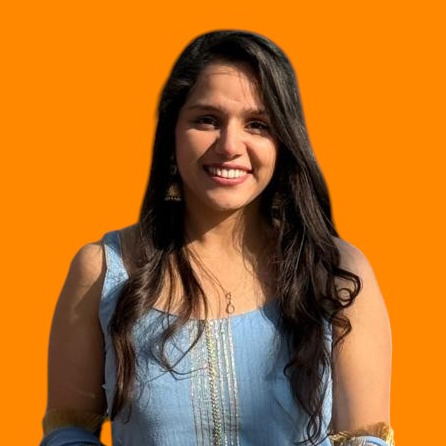
Dr. Chitrakshi holds an in-person OPD at Yashoda Hospital & Research Centre, Nehru Nagar, Ghaziabad on Tuesday, Thursday & Saturday, 6:00–8:00 PM, for children from birth to 18 years, and for pregnant, peripartum and postpartum mothers. Charges are as per hospital OPD rates. Clinic details & directions
Unsure about her cycles or skin?
Talk it through with a paediatrician, online, from anywhere in India.
Questions parents ask
Every child is different. If your question is not answered here, ask it in a consultation, that is exactly what they are for.