Childhood
Obesity
A judgement-free look at children and weight: what the growth chart really says, when hormones are involved, and the family habits that outperform every diet.
Medically reviewed by Dr. Chitrakshi Tewari, MD (Paediatrics)
Roughly one in ten urban Indian school children now carries excess weight, and Indian bodies develop diabetes and blood pressure problems at lower weights than Western charts suggest. None of this is about blame: genes, sleep, screens, food environments and sometimes hormones all pull on the same rope. Assessment is simple, habits work better than diets, and Dr. Chitrakshi Tewari guides families through it without judgement, online across India.
Why this is never about willpower
A child's weight is the output of many forces: family genetics, sleep hours, screen time, what is stocked in the kitchen, school tiffin culture, festival seasons and, occasionally, hormonal conditions. Blaming the child (or the parent) has never made a single child healthier. Understanding the forces has.
Two facts anchor everything else. First, children are still growing: many simply need to hold weight steady while height catches up, which is far gentler than losing. Second, a child who is gaining weight while growing slowly in height is not an eating story, that combination points to hormones (thyroid, cortisol) and deserves testing, not lectures.
When weight deserves a proper look
What matters most at each age
The levers change as children grow. Tap through:
- Habits form here, so this is the age of easiest wins: water instead of juice, fruit instead of biscuits, meals at the table
- No diets, ever, at this age. The job is building a normal relationship with food
- Chubby toddlers usually lean out with activity; the chart at each visit confirms it
- The big four: one hour of active play daily, screens under two hours, sugary drinks out of the house, and 9 to 11 hours of sleep
- Tiffin swaps beat lectures: children eat what is packed and stocked, not what is preached
- This is the window to check BP and, where indicated, sugar and cholesterol
- Body image and mood come first: shame drives secret eating and crash diets, both of which backfire
- Realistic, teen-owned goals work: strength training, a sport they actually like, protein at breakfast
- In girls, weight gain plus irregular periods or acne deserves a PCOS review
Is it time for a proper look?
Tick anything that is true for your child right now.
Private to you: nothing you tick is stored or sent anywhere. This check is educational, not a diagnosis, and it does not replace a consultation.
What a proper assessment looks like
It starts with the chart: BMI plotted on Indian children's centiles, and the height curve examined just as carefully as the weight curve. Then blood pressure with the right-sized cuff, a look at sleep and snoring, skin signs like acanthosis, and a family history of diabetes and heart disease.
Blood tests are chosen, not routine: thyroid function, fasting sugar and insulin, and a lipid profile where the picture suggests them. The point of assessment is to catch the treatable and protect the future, not to hand a child a label.
What actually works
- Change the house, not the child: whatever swaps you make apply to everyone. Sugary drinks leave the shopping list, fruit sits where biscuits sat, and no one eats in front of a screen.
- One hour of movement a day: any form counts: cycling, badminton, dancing, park time. The best exercise is the one that feels like play.
- Protect sleep fiercely: 9 to 11 hours for school children. Short sleep directly drives hunger hormones and weight gain.
- Screens under two hours: less sitting, less snack-triggering advertising, better sleep. The three biggest levers in one rule.
- Never a child-only diet: restrictive diets harm growth and set up rebound and secret eating. Steady habits, praised effort and a followed growth chart beat every diet ever invented.
What about Ozempic, Wegovy and the new weight-loss injections?
You have almost certainly seen the headlines. The medicines behind them are a group called GLP-1 receptor agonists (and newer dual GIP/GLP-1 medicines). They mimic a natural gut hormone that reduces appetite and slows stomach emptying, so a child feels full sooner and stays full longer. A quick note on the names, because they cause a lot of confusion: semaglutide is sold as Ozempic for type 2 diabetes and as Wegovy for weight management; tirzepatide is sold as Mounjaro. They are the same class of medicine at different doses and brand names.
Are they approved for children in India?
For adolescents, this is now a real option rather than a rumour. In May 2026 India's drug regulator (CDSCO) approved Wegovy (semaglutide) for weight management in adolescents aged 12 and older who weigh at least 60 kg, strictly as an add-on to a reduced-calorie diet and more physical activity. This followed the same approval in the United States and Europe. Tirzepatide (Mounjaro) is being studied in adolescents but is not yet approved for weight management in this age group in India.
Do they work?
Yes, and meaningfully. In the main adolescent trial (STEP TEENS), teenagers on weekly semaglutide alongside lifestyle support reduced their BMI by around 16% over about 16 months, and close to half moved below the obesity threshold. These are the strongest results any obesity treatment has shown in this age group short of surgery.
So should my child be on one?
For most children, no, and not yet. These medicines are not a first step and not a shortcut around habits. They are considered only for adolescents (12 and older) with significant obesity, usually alongside a weight-related health problem, and only when a genuine, supported effort at lifestyle change has not been enough. They are always used with, never instead of, the food, activity, sleep and family changes described above. Younger children are not candidates.
These are not a quick fix you take for a month. Current evidence suggests the weight tends to return when the medicine stops, which raises hard questions about starting a possibly long-term medicine in a still-growing child. Side effects such as nausea and other gut symptoms are common early on. Growth, nutrition and muscle must be watched carefully, because rapid weight loss in a growing body is not the goal, healthy growth is. And the cost is significant. This is precisely why the decision belongs with a doctor who knows your child, not a pharmacy or an Instagram reel.
My starting point is always the whole child: growth, hormones, sleep, mental health and family routines, with the habit foundation done properly first. Where an adolescent has significant obesity and the groundwork genuinely has not been enough, I will discuss whether medication has a place, what it can and cannot do, and how it would be monitored, so you can make an informed decision without hype or shame. If your teenager might be a candidate, or you simply want a straight answer about these medicines, that is a good reason to book a consultation.
I assess childhood obesity in the context of the whole child: growth, nutrition, sleep, school and family routines. Consultations are online across India, with clear next steps, the right tests only when they are needed, and follow-up that actually follows up. For Ghaziabad families, I also consult in person at Yashoda Hospital, Nehru Nagar (Tue, Thu & Sat, 6–8 PM).
Myths vs facts
The forwards and well-meaning advice around childhood obesity deserve some un-learning. Tap each card:
Some does, especially in toddlers. But a BMI line climbing through the school years mostly tracks into the teens and beyond. The chart, reviewed yearly, tells you which story you are in, and early habit changes are far easier than teenage battles.
Affection built that idea, but the data is unkind to it: excess childhood weight raises the risk of early diabetes, blood pressure and fatty liver, and Indian bodies hit these problems at lower weights than Western charts assume.
Children are growing; restriction harms them and reliably backfires into rebound gain and food sneaking. The evidence-backed approach is family habits plus time, letting height catch up with weight.
Sleep debt, two-hour screen defaults, sugary drinks at every celebration, genetics and occasionally hormones all push weight up. Children respond to environments, and environments are what parents can actually change.
Sources & further reading
- World Health Organization, childhood overweight and obesity.
- Indian Academy of Pediatrics, revised growth charts and obesity guidelines for Indian children.
- American Academy of Pediatrics, healthy weight resources for families.
This guide draws on the standard international sources above. It is educational and does not replace personalised advice from your child's doctor.
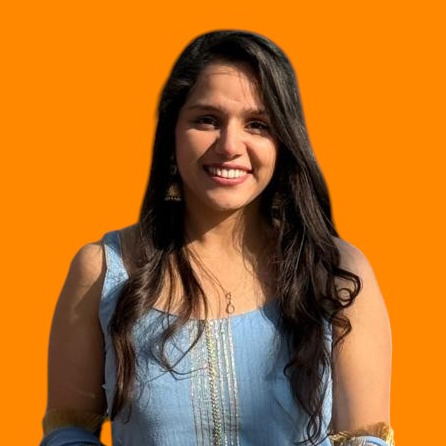
Dr. Chitrakshi holds an in-person OPD at Yashoda Hospital & Research Centre, Nehru Nagar, Ghaziabad on Tuesday, Thursday & Saturday, 6:00–8:00 PM, for children from birth to 18 years, and for pregnant, peripartum and postpartum mothers. Charges are as per hospital OPD rates. Clinic details & directions
Want a judgement-free weight assessment?
Talk it through with a paediatrician, online, from anywhere in India.
Questions parents ask
Every child is different. If your question is not answered here, ask it in a consultation, that is exactly what they are for.