Nutritional Deficiencies
in Children
Iron, vitamin D, B12 and more: how hidden hungers show up in well-fed children, and how simply most of them are fixed.
Medically reviewed by Dr. Chitrakshi Tewari, MD (Paediatrics)
Growing bodies need iron, vitamin D, B12, calcium and zinc in amounts that everyday plates do not always deliver. In India this is common even in families who eat well: milk-heavy toddler diets, vegetarian meals without iron pairing, and indoor lifestyles all play a part. The signs are subtle, the tests are simple, and treatment usually works within months. Dr. Chitrakshi Tewari guides testing, food-first correction and the right supplements online across India.
Why well-fed children can still be undernourished
Calories and nutrients are different things. A child can eat three full meals a day and still run short of iron, vitamin D or B12, because these 'micronutrients' hide in specific foods and are absorbed only under the right conditions. Nutrition scientists call this hidden hunger, and it is the most common nutritional problem in Indian children.
Three patterns cause most of it: toddlers who fill up on milk and refuse iron-rich food, vegetarian plates where iron and B12 need deliberate planning, and indoor routines that leave little skin-in-sunlight time for vitamin D. None of these is bad parenting. They are simply patterns worth knowing about, because each has a straightforward fix.
Signs parents notice
Where deficiencies hide at each age
Each age group has its own classic gaps. Tap through:
- A baby's iron stores from birth run out around six months. Iron-rich first foods (dals, ragi, egg yolk, meat where eaten) matter from the very first weeks of solids
- Exclusively breastfed babies need daily vitamin D drops, as breast milk alone cannot supply enough
- Delaying solids beyond six months is the classic route into iron deficiency
- More than 400 to 500 ml of milk a day fills the tummy, blocks iron absorption and crowds out real food. Milk is a food here, not a meal plan
- The picky-eating phase is normal, but a shrinking food list plus fatigue deserves a test rather than a tonic
- Watch for pica: eating mud, chalk or paper is a well-known signal of iron deficiency
- Growth spurts raise iron needs sharply, and girls lose extra iron once periods begin
- Indoor, screen-heavy routines make vitamin D deficiency the quiet default in Indian cities
- Vegetarian teens need a deliberate B12 source: dairy, curd, fortified foods, or a prescribed supplement
Does my child show these signs?
Tick anything you have noticed over recent weeks and months.
Private to you: nothing you tick is stored or sent anywhere. This check is educational, not a diagnosis, and it does not replace a consultation.
Simple tests give clear answers
The usual starting point is a CBC (complete blood count) with ferritin, which shows both anaemia and how empty the iron stores are. Vitamin D (25-hydroxy) and B12 levels are added when the story suggests them. These are inexpensive, widely available tests, and they turn guesswork into a plan.
Testing first matters for another reason: more is not better with micronutrients. Iron overdosing is dangerous for children, and excess vitamin D causes real harm. The right dose for the right duration, prescribed by weight, is the whole game.
What helps
- The iron-rich Indian plate: dals, rajma and chana, green leafy vegetables, poha, ragi, jaggery in moderation, plus eggs and meat where your family eats them. Pair with vitamin C (lemon squeezed on top, amla, citrus) to multiply absorption.
- Time milk and tea wisely: milk with meals and tea for older children block iron absorption. Keep milk between meals and under 500 ml a day for toddlers.
- Vitamin D, sensibly: some genuine sun time plus prescribed drops or sachets where levels are low. Dose and duration come from the report, not the chemist counter.
- B12 for vegetarian families: curd and dairy daily, fortified foods, and a supplement when levels are low. Strictly vegetarian teens almost always need a planned source.
- Fix the cause, not just the number: deworming on schedule, treating any underlying gut issue, and a recheck after the course so you know it worked.
I assess nutritional deficiencies in the context of the whole child: growth, nutrition, sleep, school and family routines. Consultations are online across India, with clear next steps, the right tests only when they are needed, and follow-up that actually follows up. For Ghaziabad families, I also consult in person at Yashoda Hospital, Nehru Nagar (Tue, Thu & Sat, 6–8 PM).
Myths vs facts
The forwards and well-meaning advice around nutritional deficiencies deserve some un-learning. Tap each card:
Weight and micronutrients are separate stories. Overweight children are, if anything, more likely to be low in iron and vitamin D. The look of the child tells you little; the growth chart and a small blood sample tell you everything.
Food keeps iron topped up, but once stores are empty, diet alone climbs too slowly. A prescribed iron course refills the tank while the plate keeps it full. Skipping the course just prolongs the tiredness.
Untargeted tonics contain a little of many things and enough of nothing. They delay real diagnosis and waste money. Test first, then give the specific nutrient at the treatment dose your child's weight needs.
They absolutely can. Indian vegetarian food is rich in iron and protein when planned with pairing tricks (vitamin C with meals) and a deliberate B12 source. Millions of thriving vegetarian children prove it daily.
Sources & further reading
- World Health Organization, anaemia overview and guidance.
- National Family Health Survey (NFHS-5), Government of India, key indicators on childhood anaemia.
- Indian Academy of Pediatrics, guidelines on micronutrients, iron and vitamin D.
- American Academy of Pediatrics, iron and vitamin needs by age.
This guide draws on the standard international sources above. It is educational and does not replace personalised advice from your child's doctor.
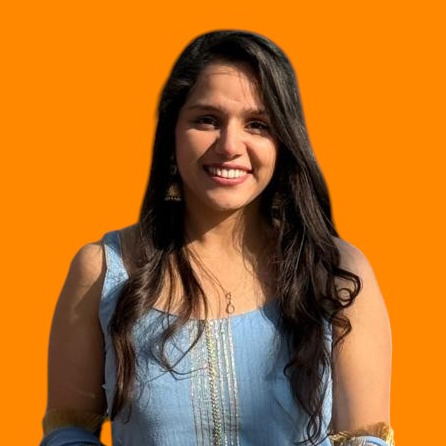
Dr. Chitrakshi holds an in-person OPD at Yashoda Hospital & Research Centre, Nehru Nagar, Ghaziabad on Tuesday, Thursday & Saturday, 6:00–8:00 PM, for children from birth to 18 years, and for pregnant, peripartum and postpartum mothers. Charges are as per hospital OPD rates. Clinic details & directions
Worried about your child’s nutrition?
Talk it through with a paediatrician, online, from anywhere in India.
Questions parents ask
Every child is different. If your question is not answered here, ask it in a consultation, that is exactly what they are for.