Nutrition &
Feeding
From the first spoon (or the first fistful) at six months to the picky-eating years: practical, evidence-based feeding support built around Indian food.
Medically reviewed by Dr. Chitrakshi Tewari, MD (Paediatrics)
Healthy eating starts with responsive feeding: breast milk or formula for the first six months, then a gradual move to solids and family foods, including baby-led weaning, from around six months per WHO guidance. Picky eating is common and usually improves with patience and structure. Dr. Chitrakshi Tewari offers online nutrition consultations for starting solids, fussy eaters and balanced Indian diets.
The foundations, straight from the evidence
WHO guidance is clear and simple: exclusive breastfeeding for the first six months, then safe, adequate complementary foods from six months alongside continued breastfeeding up to two years or beyond. Within that frame there is enormous room for your family's own food culture, and that is exactly where good feeding support lives: dal, curd, khichdi, eggs, fruit and family meals, not imported superfoods.
Beyond her MD Paediatrics, Dr. Tewari has completed the Post Graduate Program in Paediatric Nutrition (PGPN PRO) from Boston University Chobanian & Avedisian School of Medicine, so your child's feeding plan is guided by dedicated, up-to-date nutrition expertise.
What we work on together
Picky eating, handled without battles
Almost every toddler goes through food refusal; it is developmentally normal. The evidence-backed approach is division of responsibility: you decide what, when and where food is offered, your child decides whether and how much to eat. Repeated, pressure-free exposure (often 10 to 15 tries) is how new foods get accepted. We build a plan that keeps mealtimes calm and growth on track, and we verify it on the growth chart, not on guilt.
BLW means offering soft, graspable finger foods from six months so babies feed themselves. Done correctly, with safe textures and shapes and a supervised, seated baby, it builds chewing skills and food confidence. My Starting Solids workshop covers gagging versus choking, allergens and safe Indian first foods in depth.
Sources & further reading
- World Health Organization, complementary feeding guidance.
- World Health Organization, breastfeeding recommendations.
- Indian Academy of Pediatrics, infant and young child feeding resources.
This page draws on the standard international sources above. It is educational and does not replace personalised advice from your child's doctor.
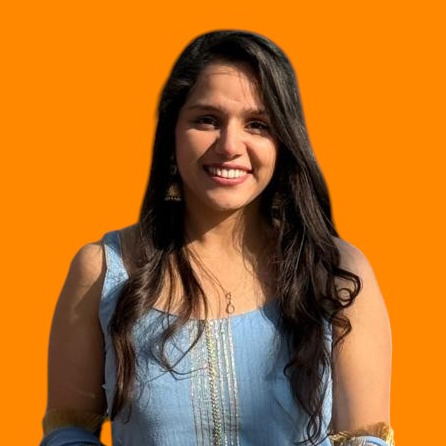
A latch checked in real time, a full feed observed, an accurate weight taken on the same scale each visit: these are easier face to face. Dr. Chitrakshi consults in person at Yashoda Hospital & Research Centre, Nehru Nagar, Ghaziabad on Tuesday, Thursday & Saturday, 6:00–8:00 PM, for babies and children birth to 18 years and for pregnant, peripartum and postpartum mothers. Charges as per hospital OPD rates. Clinic details & directions
Worried about your child's nutrition?
Talk it through with a paediatrician, online, from anywhere in India.
Questions parents ask
Every child is different. If your question is not answered here, ask it in a consultation, that is exactly what they are for.