Seizures & Epilepsy
in Children
What seizures look like, the first aid every parent should know by heart, and how childhood epilepsy is diagnosed and treated.
Medically reviewed by Dr. Chitrakshi Tewari, MD (Paediatrics)
Epilepsy means a child has a tendency to recurrent seizures caused by bursts of abnormal electrical activity in the brain. During a seizure, keep your child safe on their side and never put anything in the mouth. It is diagnosed with the history and an EEG, and is well controlled with medication in most children. Dr. Chitrakshi Tewari supports diagnosis and management online.
Seizure vs epilepsy, the difference
A seizure is a sudden burst of abnormal electrical activity in the brain. A single seizure does not equal epilepsy, epilepsy means a tendency to have repeated, unprovoked seizures. Many childhood seizures (like febrile seizures with fever) are one-off events with an excellent outlook.
What seizures can look like in children
- Stay calm and time the seizure. Most stop on their own within 1–3 minutes.
- Lay your child on their side on a safe surface; cushion the head; loosen tight clothing.
- Never put anything in the mouth, no spoon, no water, no keys. Your child cannot swallow their tongue.
- Do not restrain the movements. Clear hard objects away instead.
- Call an ambulance if the seizure lasts more than 5 minutes, breathing looks difficult, it's a first-ever seizure, or your child doesn't wake between seizures.
How seizures differ by age
Age changes both what seizures look like and what they usually mean:
- Febrile seizures (with fever) affect around 2–4% of children: terrifying to watch, usually brief, and typically outgrown
- Clusters of sudden forward-bending movements (‘salaam spasms’) in an infant need urgent review the same week
- Very early seizures can be subtle: staring, lip-smacking, cycling leg movements
- Absence seizures: brief blank spells, many times a day, often mislabelled as daydreaming; falling grades can be the first clue
- Some childhood epilepsies cause face twitching or drooling at night or on waking, and are typically outgrown by the teen years
- A phone video of any episode transforms the consultation: film first, worry about the recording quality later
- Juvenile myoclonic epilepsy: sudden morning jerks (dropped toothbrushes, spilled tea), sometimes before a bigger seizure
- Late nights, missed doses and flashing lights are the classic triggers
- With the right medicine, sport, study, travel and a normal social life are absolutely on the table
Have you seen anything like this?
Tick any episode you think you may have witnessed, even once.
Private to you: nothing you tick is stored or sent anywhere. This check is educational, not a diagnosis, and it does not replace a consultation.
How epilepsy is diagnosed
Diagnosis rests on a careful description of the event (this is where a phone video is gold), plus an EEG (a painless recording of brain electrical activity). An MRI of the brain is done when needed to look for a structural cause. Blood tests may check for triggers like low sugar or electrolyte imbalance.
Treatment and everyday life
- Anti-seizure medication: the mainstay. Most children are controlled on a single, well-tolerated daily medicine. Consistency matters: doses at the same time every day, never stopped abruptly.
- Know the common triggers: missed medication doses, sleep deprivation and fever are far more important triggers than flashing lights (which affect only a small minority).
- Sensible safety, not restriction: supervised swimming and bathing, helmet for cycling; otherwise encourage normal play, school and sport.
- Regular follow-up: reviewing seizure control, side effects and growth, and planning medication withdrawal after a long seizure-free period.
I help families understand what happened during a first seizure, review videos and EEG/MRI reports in plain language, coordinate care with paediatric neurologists, and support the everyday questions, school, travel, fevers, missed doses, through online consultations across India.
Myths vs facts
Half of parenting a condition is un-learning what neighbours, forwards and well-meaning relatives insist on. Tap each card:
Never put anything in the mouth: it causes broken teeth and choking. A child cannot swallow their tongue. Side position, cushion the head, time the seizure. That is the whole job.
Many childhood epilepsies are outgrown completely, and around 7 in 10 children become seizure-free with the right medication. Some can eventually stop medicines under supervision.
With sensible precautions (supervision in water, a helmet on wheels), almost all sport is encouraged. Activity, sleep and normal life actually support seizure control.
Brief seizures, frightening as they look, rarely cause any lasting harm. The emergency is a seizure lasting more than 5 minutes; that is when to call an ambulance.
Sources & further reading
- International League Against Epilepsy, seizure classification and clinical resources.
- Epilepsy Foundation, Seizure first aid.
- National Institute for Health and Care Excellence, NG217: Epilepsies in children, young people and adults.
- World Health Organization, Epilepsy fact sheet.
This guide draws on the standard international sources above. It is educational and does not replace personalised advice from your child's doctor.
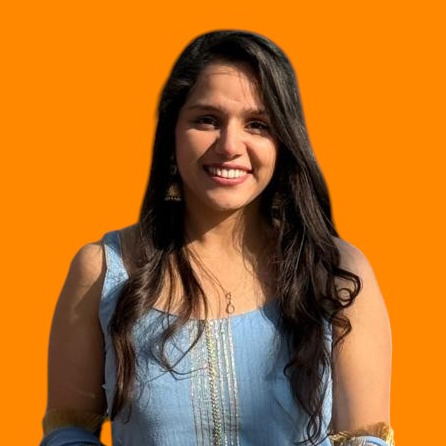
Dr. Chitrakshi holds an in-person OPD at Yashoda Hospital & Research Centre, Nehru Nagar, Ghaziabad on Tuesday, Thursday & Saturday, 6:00–8:00 PM, for children from birth to 18 years, and for pregnant, peripartum and postpartum mothers. Charges are as per hospital OPD rates. Clinic details & directions
Worried about seizures & epilepsy?
Talk it through with a paediatrician, online, from anywhere in India.
Questions parents ask
Every child is different. If your question is not answered here, ask it in a consultation, that is exactly what they are for.