Baby-Led Weaning &
Starting Solids
When and how to start your baby on solids, whether to choose baby-led weaning or purees, the best first foods, and how to keep mealtimes safe.
Medically reviewed by Dr. Chitrakshi Tewari, MD (Paediatrics)
Baby-led weaning means letting your baby feed themselves soft finger foods from around six months, instead of only spoon-feeding purees. Start when your baby can sit with support, holds their head steady, and reaches for food. Milk stays their main nutrition in the first year. Dr. Chitrakshi Tewari, who holds advanced paediatric nutrition certification from Boston University, offers online starting-solids and baby-led weaning plans for families across India.
What is baby-led weaning?
Baby-led weaning is an approach to starting solids where your baby feeds themselves soft, graspable finger foods from the start, rather than being spoon-fed smooth purees. Babies explore taste and texture, learn to chew, and join in with family meals. You can also mix approaches, offering some finger foods and some spoon-fed foods, which suits many families well.
When is my baby ready for solids?
The World Health Organization and the Indian Academy of Pediatrics recommend starting solids at around six months, alongside continued breast or formula milk. Look for these readiness signs rather than going by age alone:
Starting before four months is too early. If your baby is close to six months but not quite showing these signs, it is worth a quick check with your paediatrician.
Baby-led weaning or purees, which is better?
Both are safe and healthy ways to start solids, and neither is clearly superior. Baby-led weaning encourages self-feeding and early exposure to textures; purees give you more control over how much goes in at first. Many families combine the two. What matters most is offering a variety of nutritious foods, responding to your baby's cues, and keeping mealtimes calm and safe.
In her own practice, Dr. Chitrakshi Tewari believes baby-led weaning builds independent eating faster, as early as 12 to 15 months, and makes mealtimes so much easier. It is definitely worth the mess.
Best first foods for your baby
Good first foods are soft, iron-rich and easy to hold. Iron matters most from six months, as your baby's own iron stores begin to run low.
Offer one new food at a time, with no added salt or sugar.
Gagging versus choking: the safety part every parent should read
Gagging is normal and protective. It is your baby's way of moving food forward and learning to manage it, and it often looks and sounds more dramatic than it is. Choking is different, and it is silent: a choking baby cannot cry or make a sound. To keep mealtimes safe:
- Always sit your baby upright and never leave them alone while they eat
- Avoid choking hazards: whole nuts, whole or round grapes and cherry tomatoes (quarter them lengthways), popcorn, hard raw vegetables and fruit, and large chunks
- Cut food into soft pieces your baby can manage
- Learn infant choking first aid so you feel confident
If you are ever unsure whether a food is safe, ask before offering it.
How much and how often?
Begin with one small meal a day and build up gradually to two or three as your baby shows they want more. In the first year, breast milk or formula stays the main source of nutrition, and solids are complementary, so there is no need to worry if your baby eats very little at first. These early months are about learning to eat, exploring textures, and enjoying food.
Introducing allergens
Current guidance is to introduce common allergens early, from around six months, rather than delaying, as this may lower the risk of allergies. Offer them one at a time, in a safe smooth form (for example smooth peanut butter thinned with water or milk, and well-cooked egg), on a day when you can watch your baby. If your baby has severe eczema or a known food allergy, speak to your doctor before starting.
Online nutrition guidance with Dr. Chitrakshi Tewari
Every baby is different, and a plan that fits your baby, your kitchen and any allergies takes the guesswork out of starting solids. Dr. Chitrakshi Tewari is an MD paediatrician with advanced certification in paediatric nutrition from Boston University, and offers online nutrition consultations for starting solids, baby-led weaning, fussy eating and balanced Indian diets. A one-time consultation is ₹2,000; see the fees, or compare plans and book.
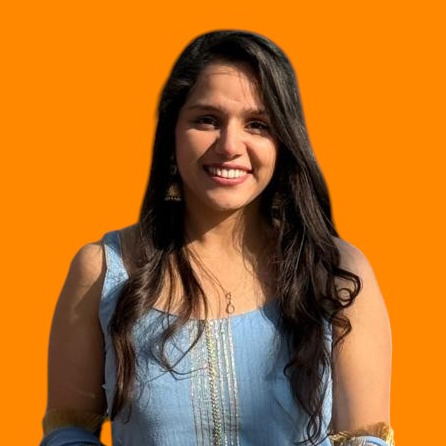
A latch checked in real time, a full feed observed, an accurate weight taken on the same scale each visit: these are easier face to face. Dr. Chitrakshi consults in person at Yashoda Hospital & Research Centre, Nehru Nagar, Ghaziabad on Tuesday, Thursday & Saturday, 6:00–8:00 PM, for babies and children birth to 18 years and for pregnant, peripartum and postpartum mothers. Charges as per hospital OPD rates. Clinic details & directions
Starting solids and want a plan that fits your baby?
Book an online nutrition consultation with Dr. Chitrakshi Tewari, from anywhere in India.
Questions parents ask
Every child is different. If your question is not answered here, ask it in a consultation, that is exactly what they are for.